
 By
By BY khurram Shehzad:
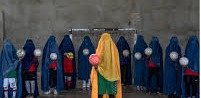
Pakistan today faces a profound human rights challenge that can no longer be ignored. For women in sports, the country is increasingly becoming an unsafe and hostile environment, shaped by the rising influence of extremist ideologies operating under the pretext of religion.
Women athletes—who should be celebrated as symbols of national pride and empowerment—are instead subjected to intimidation, surveillance, online harassment, social ostracization, and credible threats to their safety. Their participation in sports is portrayed by extremist elements as a moral offense, reflecting a deeply troubling distortion of religious principles to justify exclusion and control.
This pattern is not incidental; it is systematic.
Hardline groups, emboldened by political silence and weak institutional protection, have intensified pressure on female athletes, coaches, and sports administrators. Stadiums, training facilities, and even educational institutions are increasingly policed not by law, but by fear. The consequences are severe: forced withdrawals from competitions, career abandonment, self-censorship, and migration abroad.
Equally alarming is the expanding ideological influence of militant clerics and radical networks with cross-border origins, particularly from conflict-affected regions of Afghanistan. Their narratives—rooted in intolerance and rejection of women’s public presence—are being normalized within Pakistan’s social fabric. This development risks transforming the country into a breeding ground for extremist thought that directly contradicts international human rights commitments and Pakistan’s own constitutional guarantees.
It is critical to emphasize: this is not a debate about faith. It is a question of human dignity, safety, and equal access to opportunity. Islam, like all major religions, does not sanction violence, coercion, or the erasure of women from public life. What is unfolding is the politicization of religion by extremist actors to enforce a regressive social order.
The failure to decisively counter this trend carries serious international implications. Pakistan’s ability to host sporting events, protect athletes, and uphold global sporting values is at stake. More importantly, the lives, futures, and voices of women are being systematically pushed into the shadows.
The international community must respond with urgency.
Global human rights organizations, international sports federations, and UN mechanisms should engage Pakistan through sustained monitoring, public accountability, and protective frameworks for women athletes. Diplomatic engagement must move beyond statements of concern toward measurable action.
History has shown that silence enables extremism.
If Pakistan is to remain a responsible member of the global community, it must ensure that sports remain spaces of inclusion—not instruments of fear. Protecting women in sports is not merely a national obligation; it is a test of Pakistan’s commitment to human rights, moderation, and the rule of law.
The world must take notice—now